COVID-19 has impacted everyone around the globe, and we all feel the strain of facing a daily pandemic a year now. While it is obvious that no one has escaped the effects of this virus, the consequences of lockdown differ drastically from country to country. The reality of life in Uganda was a harsh one prior to the pandemic, but in this post-coronavirus world, things have grown even colder.

Schools in Uganda were closed entirely in early 2020 due to lockdown restrictions, and – unlike in the States – distance learning was not an option as the majority of families do not have computers, let alone internet access. Schools were officially allowed to reopen in October, but they are required to meet Standards Operating Procedures, or SOPs, laid forth by the government. In order to open, schools must have a temperature gun to monitor each person entering the school, hand sanitizer available, water and soap, gloves, disinfectant spray, and face masks. Children must also remain distanced, so 2-3 times the space is needed for each class.
While they may be necessary precautions, only a handful of schools can pass these SOPs and open their doors, and those that do are likely to double school fees in order to provide personal protective equipment and cleaning supplies. Our school, Sule International Academy, for example, is unable to meet the SOP requirements given by the government and must remain closed. We are working hard to pay our rent and keep the school’s property so that we can then focus on reopening for our students.
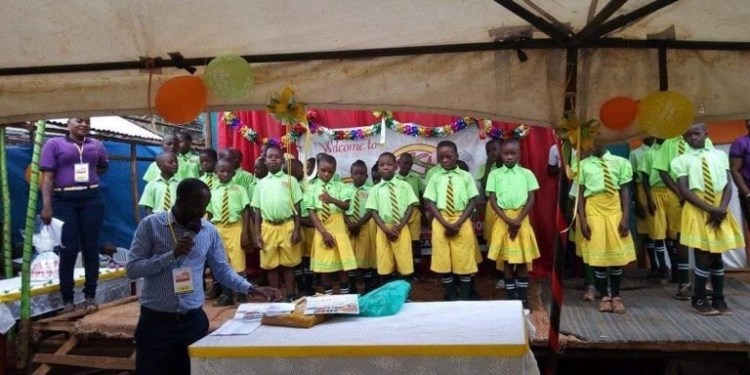
Only a fraction of students have even returned to those schools that are open, making the space issue manageable for the time being. If more children return to school, however, what will institutions do to compensate for a single class taking up 2-3 classrooms? Build more rooms with already dwindling funds?
At this point, many children have lost interest in their studies. They haven’t been to school since March; Some young women have become pregnant in their boredom, while other children and young people have started selling eggs and other goods on the street. Children as young as 7 or 8 have been sent to earn money for the family, and oftentimes they have no desire to go back to school because they are bringing money into the home.
The gap in education has lasted so long that many kids have forgotten what they learned in school, especially the younger ones, and some may even have to go back a grade. Academically, the kids have been affected. The teachers will struggle to get them back on track and pick up where they left off.
That brings us to teachers. Most teachers during covid are not being paid and, for all intents and purposes, are out of a job. Teachers are not teaching, and therefore not earning, so some have resorted to odd jobs like making bricks or chapati (a type of bread), and selling whatever they can to make a profit. At Sule, we expect fewer teachers to return to our school because they lost interest and passion for educating over this last year and had to find alternative ways to survive.
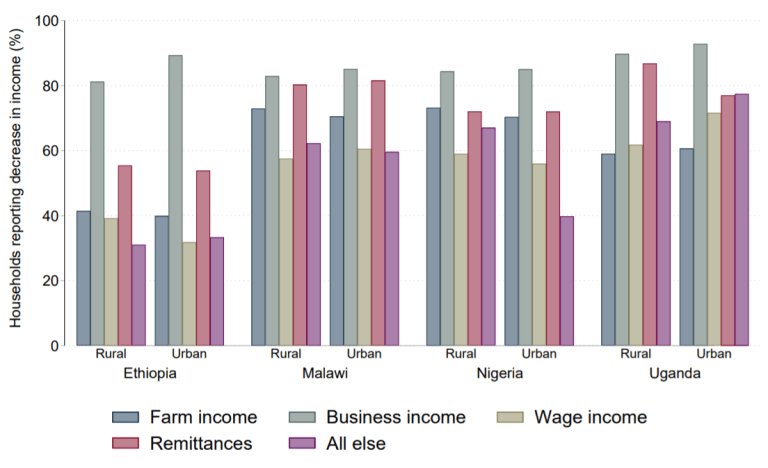
Lots of teachers also have their own children, so these families have lost a major source of income. Education has been supporting the food sector, publishing sector, media sector, etc., so when there’s no school all of these fields stop moving and there is less money circulating. Many have not been working and have no ability to pay school related expenses anymore.
With the sudden halt the Ugandan economy hit in lockdown, countless parents have stopped working and have no ability to pay school related expenses. Some are marrying children off so they have one less mouth to feed and are relieved from the pressure to send them back to school.
This is why we are dedicated to offering school for free at Sule, so parents can have hope in sending their children back to school. We will face parents who don’t want to take kids back to school because of finances, kids who don’t want to go back to school because they’ve lost interest, and teachers who don’t want to go back to teaching because the cash flow is uncertain.
In addition to these barriers exacerbated by COVID-19, a large contingent of schools in Uganda have been completely sold out. They have been converted into farming/grazing areas, turned into commercial buildings like hotels, or appropriated as churches and mosques. While many were sold, some simply ran out of cash – they received a loan from the bank, were unable to pay it amidst the pandemic, and the bank took the property away. Schools like ours who are renting their space have run out of money and had to forfeit the land. This is why we must fundraise $2,000, so that we can avoid losing the school and work on reopening.
The situation at home has been dismal for many children and young people. Divorce and domestic violence have been on the rise under lockdown. With parents splitting up, children will want to remain with their single parent to help them care for the house and make ends meet rather than return to school. Some teenage girls have turned to prostitution as a means to care for themselves, since their parents are unable to pay for basic necessities like sanitary pads. With the spread of COVID-19, families have no income, young people have no escape from abusive homes, and children miss meals once provided by schools.
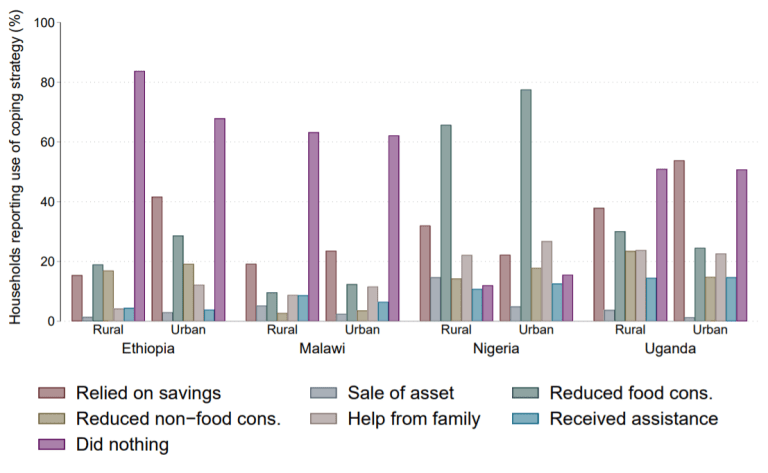
Despite all of these challenges, Sule is committed to remaining a free and accessible center of learning for our community. Please consider donating to our campaign to save Sule International Academy and ensure that our students have a school to come back to.
RSVP here to our digital Zoom event, “Dance for Uganda,” at 9:00 am EST, Saturday, February 27th.
Click here to donate to our GoFundMe to save our school.
 Sule International Academy